Should the replacement unit have the same capacity as the old one?
The nameplate capacity is a starting point, but layout changes, added load and how your ductwork distributes air can call for a different capacity. We review your building and equipment connections before you order replacement equipment.
What should we plan for on replacement day?
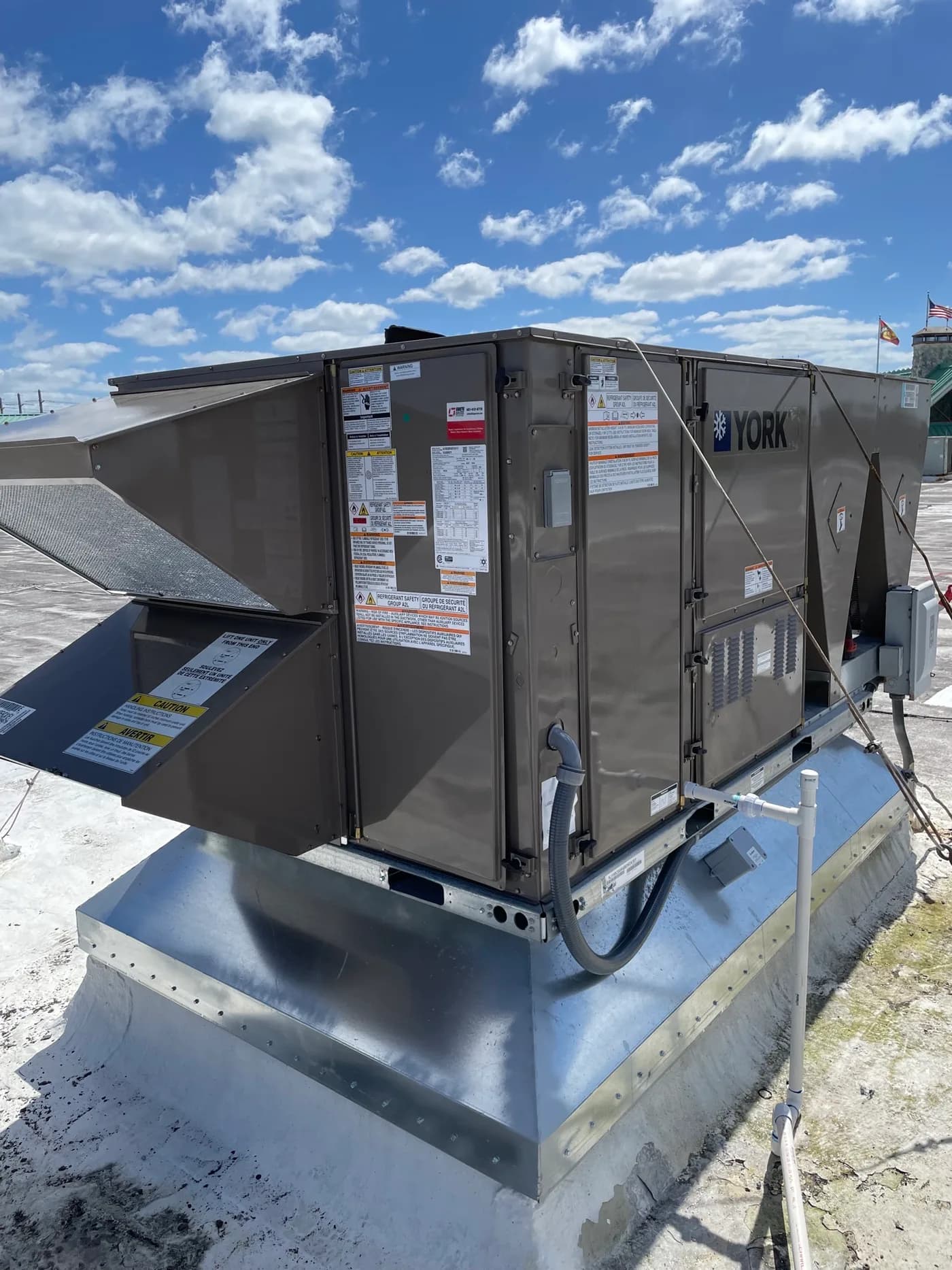
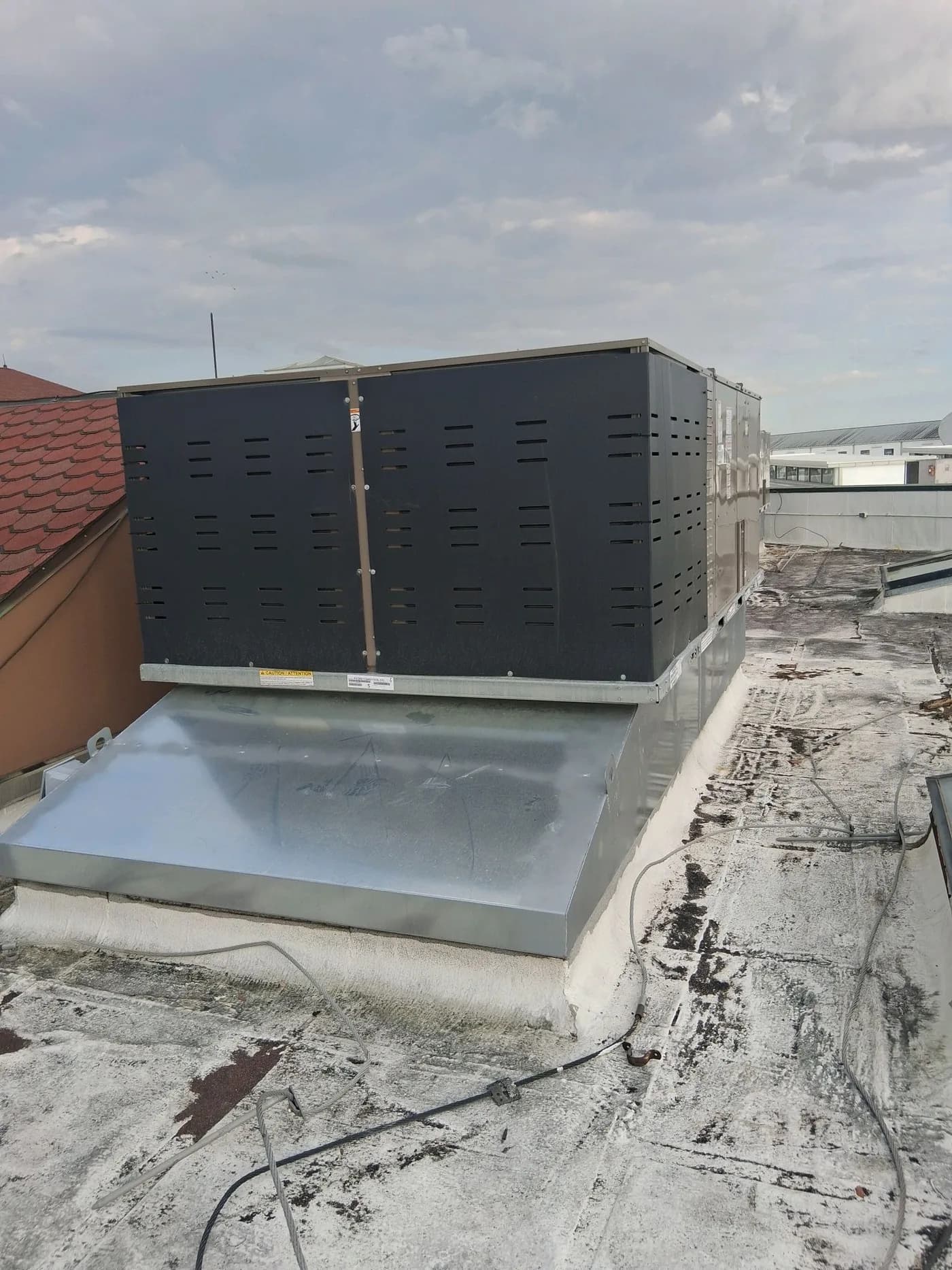
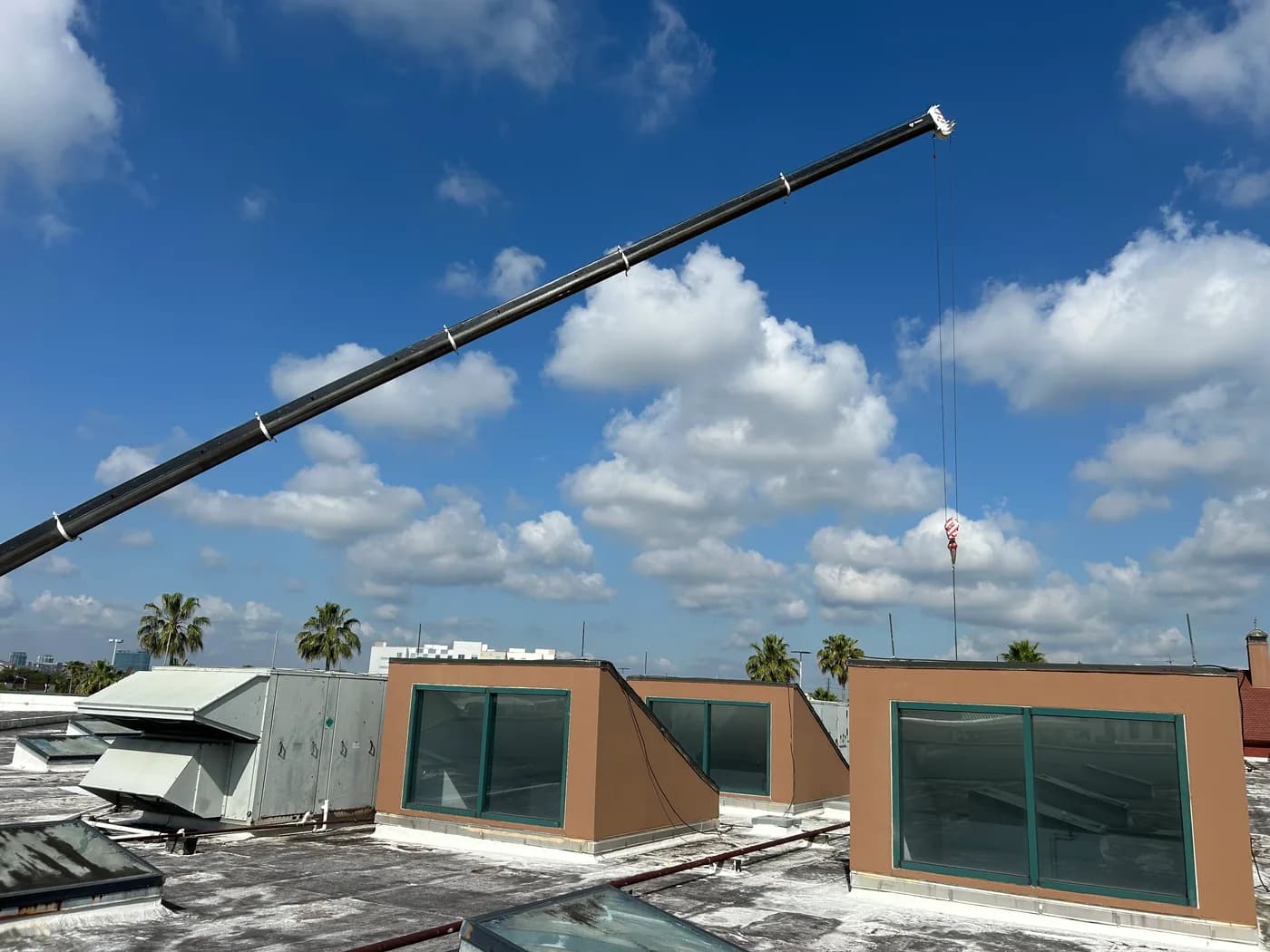
Plan for power isolation, refrigerant recovery where it applies, lifting for roof units and a controlled shutdown window. Your facilities contact should notify tenants and approve access paths.
Can you reuse our existing roof curb?
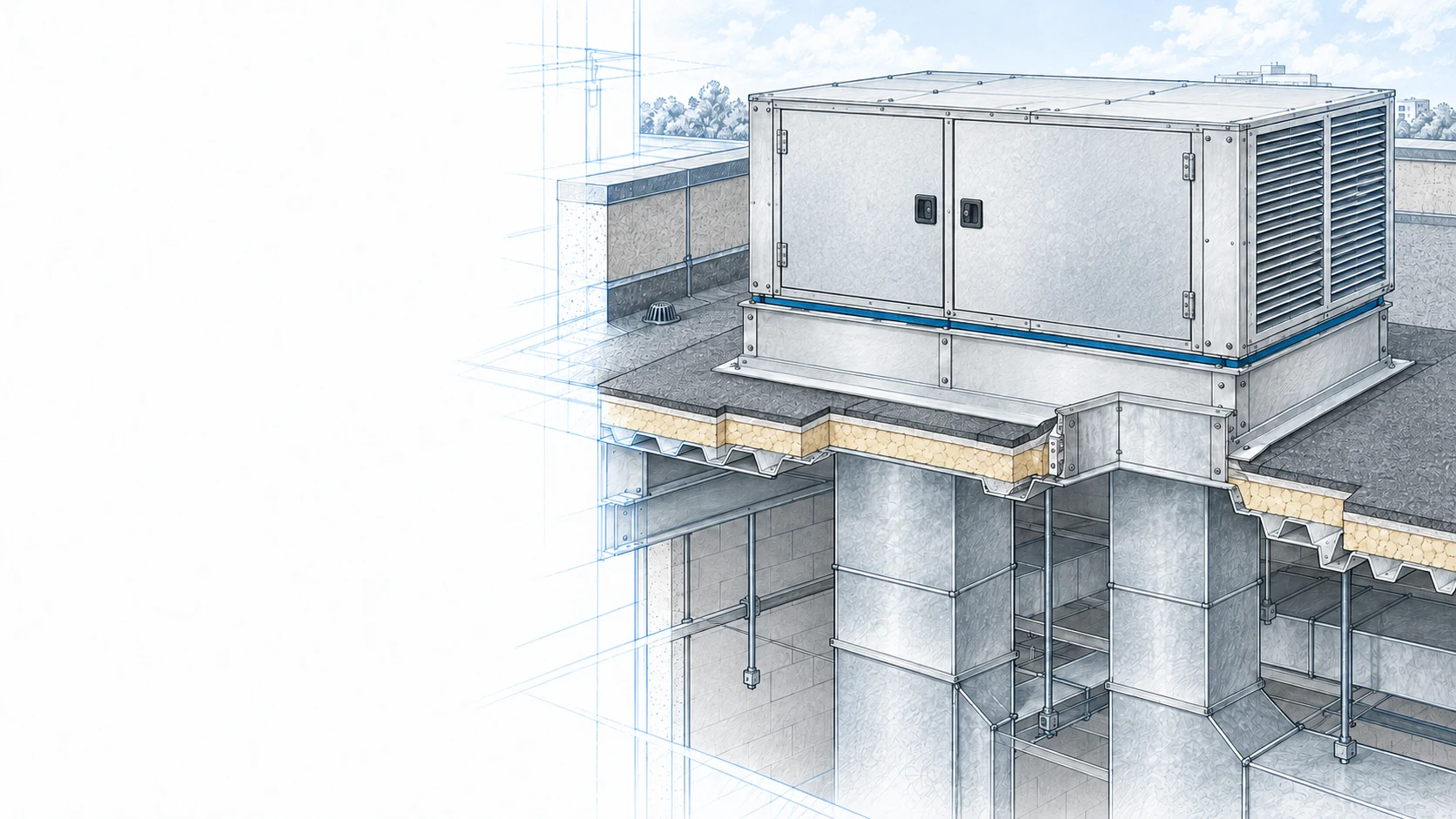
We check curb dimensions and adapter compatibility during planning. When the curb must change, we include that work in the replacement scope we discuss with you.
Will new equipment connect to our existing building controls?
We check how your current controls schedule and command the old unit, compare that with the new equipment's control connections and include any interface changes in the scope before you approve the work.
What is the difference between replacement, new installation and a retrofit?
Replacement swaps failing equipment for new equipment serving the same spaces. New installation adds equipment where your building needs it, with new connections. A retrofit changes equipment or components while reusing your existing power, piping, ductwork or controls where they still fit.
Who authorizes replacement work at our property?
Name the owner or manager contact who approves capital spend and any landlord requirements before we order equipment or schedule removal.
How long will affected floors be without cooling during changeout?
Shutdown length depends on equipment type, rigging needs, and how your duct, power, and controls reconnect. We propose a work window with your facilities contact before you authorize removal.